http://www.konitsa.gr/visit/villages/27-monasteri

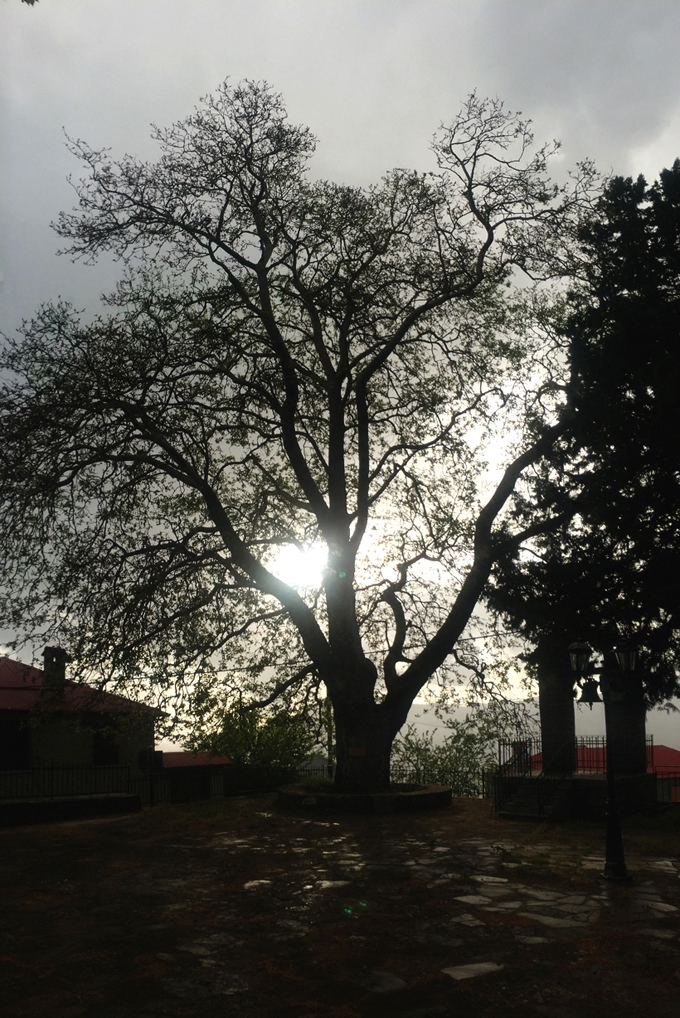
Forests of oaks and dogwoods apart Monastiri from the village Molista, which used to be an entity. The settlement was established along with the homonymous monastery in the 12th century. The various springs and the religious character of the area promoted the stone craftsmanship as a correspondence to the deadlock of the limited resources and inspired the craftsmen to create unique works of art. 

image

Aghia Paraskevi (Kerasovo)

Aghia Paraskevi is one of the largest and most vivid villages of the Mastorochoria area. It is built on an altitude over 1.000 meters next to Sarantaporos' tributary, Vourkopotamos. Read More
image

Aghia Varvara (Plavali)

Aghia Varvara is one of the many Mastorochoria villages that were built at the altitude level of the oak zone, on Goritsa hill. Read More
image

Amarandos (Isvoros)

The springs of Ziasikas, a tributary of Sarantaporos, and an amazing natural environment of oaks and black pine forests form the surroundings, where Amarandos village is built. Read More
image

Asimochori (Lekatsi)

Asimochori actually means the village of the silversmiths. Built at 970m, the village creatively overcame the economic deadlock of the limited agricultural resources by developing technical skills. Read More
  • 1